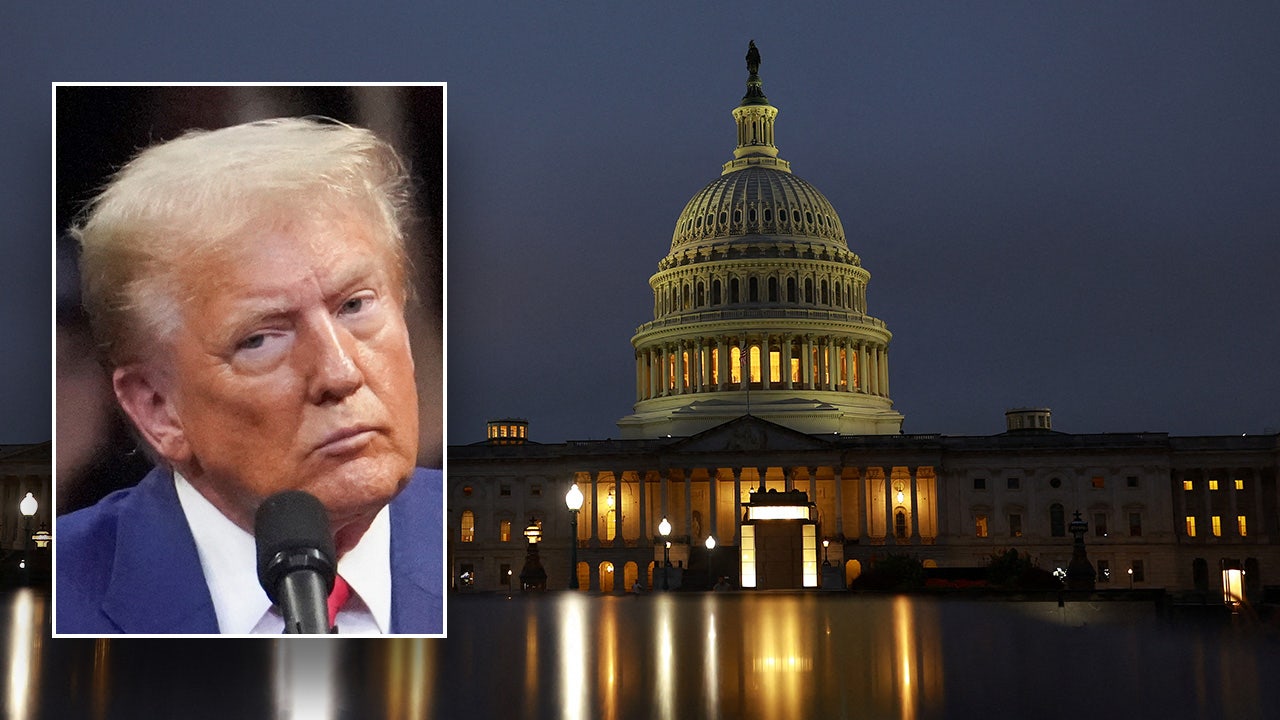
Anthropic isn't backing down. The AI powerhouse recently confirmed it's taking the Trump administration to court, and the stakes couldn't be higher for the future of American innovation. This legal battle follows a sudden move by federal regulators to slap a national security risk label on the company's research labs. It's a heavy-handed designation that effectively puts a target on one of the most respected players in the industry.
If you've followed the AI space at all, you know Anthropic usually plays the role of the "safe" developer. They're the ones talking about Constitutional AI and alignment. Seeing them branded as a threat by their own government is, frankly, bizarre. It smells more like political theater than actual defense policy.
The Problem With Vague Security Labels
The core of the lawsuit rests on a simple argument. Anthropic claims the administration acted without providing evidence or a clear path to appeal. When the government calls a private company a security risk, it isn't just a mean tweet. It’s a formal blacklisting. It can kill investment, block hiring of international talent, and stop federal agencies from using their tools.
I’ve seen how these labels work in other sectors. Once the "risk" tag is applied, the burden of proof shifts. The company has to prove they aren't a threat, which is nearly impossible when the government won't reveal why they were flagged in the first place. Anthropic argues this violates due process. They're right. You can't just shut down a multi-billion dollar operation because of "vibes" or classified hunches that never see the light of day.
The administration seems to be leaning on the idea that Anthropic’s open-weights models or their specific research into catastrophic risks could be used by foreign adversaries. They’re worried about what happens if a bad actor gets their hands on a model that can help build bio-weapons. That’s a real concern. But Anthropic has some of the best safety protocols on the planet. They literally pioneered the red-teaming methods everyone else now uses.
The Chilling Effect on Silicon Valley
This lawsuit isn't just about Anthropic. It’s a shot across the bow for the entire tech sector. Every major lab—OpenAI, Google, Meta—is watching. If the Trump administration can arbitrarily label a lab a security risk, then nobody is safe. It creates a massive amount of uncertainty for founders and investors who are already dealing with a wild regulatory environment.
When you're building foundational models, you need massive amounts of capital. Most of that capital comes from global markets. If a lab is suddenly under federal cloud, that money dries up overnight. Anthropic is pushing back because they have to. If they don't fight this, they basically admit that the government has the right to micromanage AI labs under the guise of national security.
How National Security Claims Can Stifle Innovation
It’s easy to scream "national security" whenever you want to control something you don't understand. We've seen this play out with social media apps and hardware manufacturers. But AI is different. It’s a general-purpose technology. It’s like the engine or the transistor. If you lock down the labs building it, you aren't just protecting the country. You're slowing down the very technology that’s supposed to give the U.S. a strategic edge.
Anthropic’s CEO, Dario Amodei, has been vocal about working with the government. They’ve been proactive. They’ve invited regulators into their labs. To get hit with a risk label after all that feels like a betrayal of the collaborative approach they’ve championed for years. Honestly, it's a mess.
Why Anthropic Thinks They Can Win
Legal experts suggest that Anthropic has a strong case if they can show the administration failed to follow the Administrative Procedure Act (APA). This is a boring but critical piece of law. It says the government can't just make "arbitrary and capricious" decisions. They have to show their work. They have to have a record. They have to give the company a chance to respond.
The Trump administration has a history of moving fast and breaking things. That's fine for some areas of policy. It’s a disaster for national security designations that affect global supply chains and multi-year research projects. If the courts find that the label was applied without a solid evidentiary basis, the whole thing could be thrown out.
The Real Fear Behind the Label
Let’s be real for a second. The government isn't just scared of the technology. They're scared of losing control. Anthropic has always been a bit of an outlier. They focus on safety, sure, but they also want to be transparent. That transparency doesn't always mesh well with the secrecy-first approach of the current administration’s tech policy.
The "security risk" label might also be a way to force more direct government oversight. If a company is a risk, the government can demand seat-on-the-board levels of access. Anthropic is drawing a line in the sand. They're saying they'll cooperate, but they won't be nationalized by another name.
Moving Forward With AI Governance
What happens next will define the relationship between the White House and Silicon Valley for the next decade. If Anthropic wins, it’s a victory for corporate due process and a blow to the idea that the "national security" tag is a blank check for executive power. If they lose, expect a massive chill to settle over the AI industry.
Companies will stop being transparent. They’ll hide their research. They’ll move their operations offshore. That’s the exact opposite of what the government should want. We need these companies here, in the U.S., where we can actually see what they're doing.
If you’re a stakeholder in the tech world, pay attention to the court filings. The specific language the administration uses to justify the label will tell us a lot. Are they worried about specific code? Are they worried about who's funding the lab? Or is this just a way to exert leverage during a trade negotiation? We're about to find out.
You can actually track these developments through the federal court registry or by following the major tech policy watchdogs. Don't just read the headlines. Look at the actual legal arguments being made. They reveal the true priorities of both the labs and the regulators. This isn't just a news story. It's the blueprint for how the most powerful technology on earth will be governed.