The moon's far side isn't just dark. It's a shielded graveyard of solar system history that we've ignored for way too long. On March 6, that changes. NASA isn't just sending another tin can to orbit the moon; they're putting humans back into the deep lunar neighborhood for the first time in over five decades. This isn't a "flags and footprints" PR stunt. It's a calculated, high-stakes shift in how we handle deep space.
If you've been following the Artemis program, you know the delays have been brutal. Software glitches, heat shield shedding, and budget fights almost derailed the whole thing. But the March 6 launch date is firm. This mission, Artemis II, takes a crew of four around the lunar far side. They'll go further into space than any human being in history. We're talking about a trajectory that swings them roughly 6,400 miles beyond the moon’s "dark" side.
Why the far side is a massive headache for NASA
Communication is the biggest nightmare. When the crew swings behind the moon, they lose all direct contact with Earth. The moon is a giant ball of rock that blocks every radio signal we’ve got. For those hours in the "shadow," the astronauts are truly on their own. It’s a terrifying prospect for Mission Control, but it’s a necessary test of the Orion spacecraft’s autonomous systems.
Most people think the far side is just like the side we see every night. It’s not. The crust is thicker. There are fewer of those dark "seas" or maria that make up the Man in the Moon. Instead, it’s a battered, cratered mess. By flying over it, the Artemis II crew will be the first eyes to see that terrain in person since 1972. They're looking for landing spots for Artemis III, which is where things get really interesting with the search for water ice.
The crew carrying our hopes and a lot of hardware
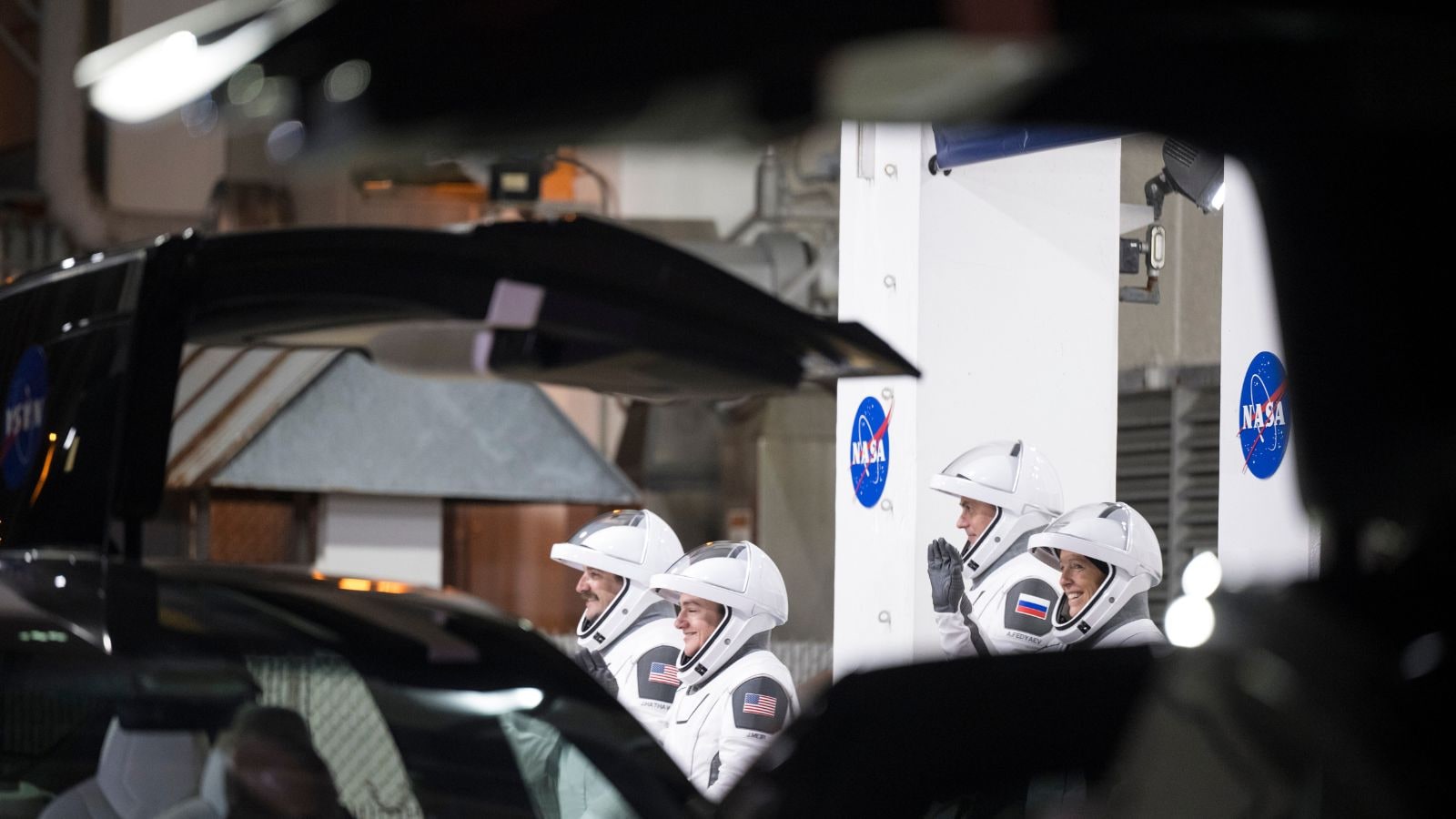
You’ve probably heard the names by now. Reid Wiseman, Victor Glover, Christina Koch, and Jeremy Hansen. This isn't just a group of pilots. You've got a record-breaking station veteran, a Navy commander, and a Canadian specialist. They aren't just passengers. They’re essentially test pilots for a ship that hasn't been pushed this hard yet.
During the ten-day mission, they’ll be living in a space about the size of a large minivan. It’s cramped. It’s loud. And every system—from the carbon dioxide scrubbers to the exercise equipment—is a prototype for the eventual trip to Mars. If a pump fails 230,000 miles away, you can't just wait for a resupply ship. You fix it or you don't come home.
Moving past the Apollo nostalgia trip
Stop comparing this to Apollo. It’s lazy. Apollo was about beating the Soviets. Artemis is about staying there. The March 6 flight is the stress test for the Life Support Systems (LSS). On Artemis I, the ship was empty. Now, you’ve got four humans exhaling moisture, generating heat, and needing 2,500 calories a day.
The heat shield is the real point of anxiety for me. During the uncrewed reentry in 2022, the shield wore away in a way NASA didn't quite expect. They've spent the last two years tweaking the structure. When the crew hits the atmosphere at 25,000 mph on their return, that shield has to withstand temperatures half as hot as the sun’s surface. There's no margin for error.
The hidden science of the lunar far side
Radio astronomers are drooling over this mission. Because the moon blocks all the "noise" from Earth—cell towers, TV stations, satellites—the far side is the quietest place in the nearby universe. It’s the only place where we can actually "hear" the faint radio signals from the early universe, right after the Big Bang.
Artemis II is carrying instruments to map these quiet zones. We’re looking for the "Dark Ages" of the cosmos. This mission sets the stage for putting a radio telescope on the far side, which would fundamentally change how we see the birth of stars.
What to watch for on launch day
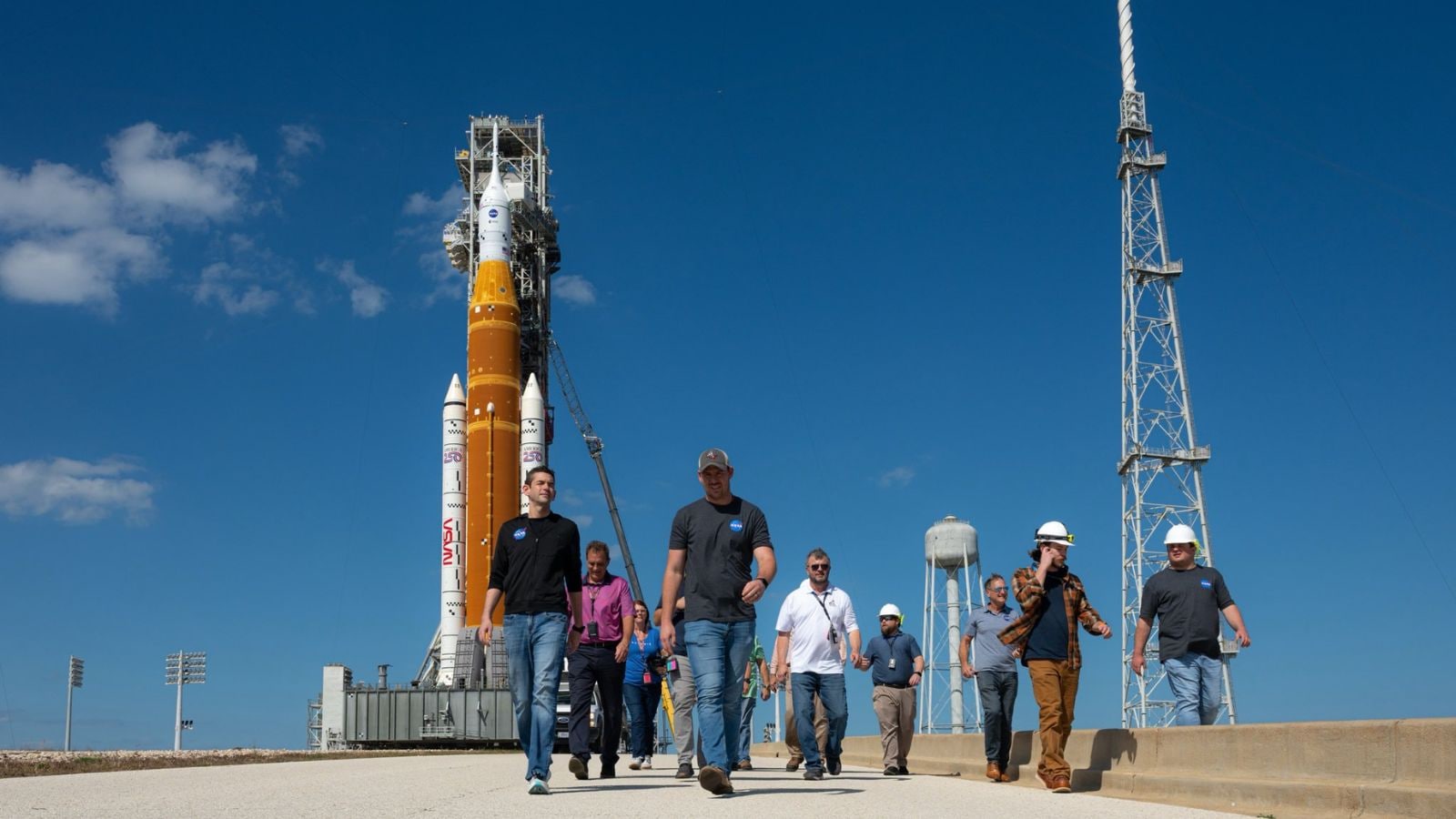
The SLS (Space Launch System) is the most powerful rocket ever built. When those twin solid rocket boosters ignite at Kennedy Space Center, they produce 8.8 million pounds of thrust. It's a literal earthquake.
- The TLI Burn: This is the Trans-Lunar Injection. It’s the moment the upper stage kicks the crew out of Earth's orbit and toward the moon.
- The Free-Return Trajectory: NASA is using gravity as a safety net. If the engine fails after they pass the moon, the moon’s gravity will naturally whip them back toward Earth.
- The Splashdown: Unlike SpaceX’s Falcon 9, Orion doesn't land on a pad. It hits the Pacific Ocean. It’s old school, but it works.
It is about more than just a moon walk
The real goal here is the Lunar Gateway. Think of it as a small space station that stays in orbit around the moon. Artemis II proves we can get there safely and navigate the complex orbital mechanics required to dock with a station that isn't circling Earth.
If you're wondering why we're spending billions on this, look at your phone. GPS, weather tracking, and global telecommunications all started with the push to reach the moon in the 60s. The tech we're building now for radiation shielding and water recycling will eventually end up in our hospitals and homes. It's a long game.
How to track the mission in real-time
Don't just watch the news clips. NASA’s "Eyes on the Solar System" app will have a real-time 3D tracker for the Orion capsule. You can see exactly where they are relative to the lunar surface.
Mark your calendar for the March 6 window. If the weather holds, we’re about to see the beginning of a permanent human presence off-world. Clear your schedule for the reentry ten days later. That’s the most dangerous part.
Get your binoculars ready for a look at the moon that night. You won't see the ship—it’s too small—but knowing there are four people on the other side of that grey rock changes how you look at the sky. Check the NASA TV schedule for the live feed of the Earth-rise. It’s the one view that never gets old.