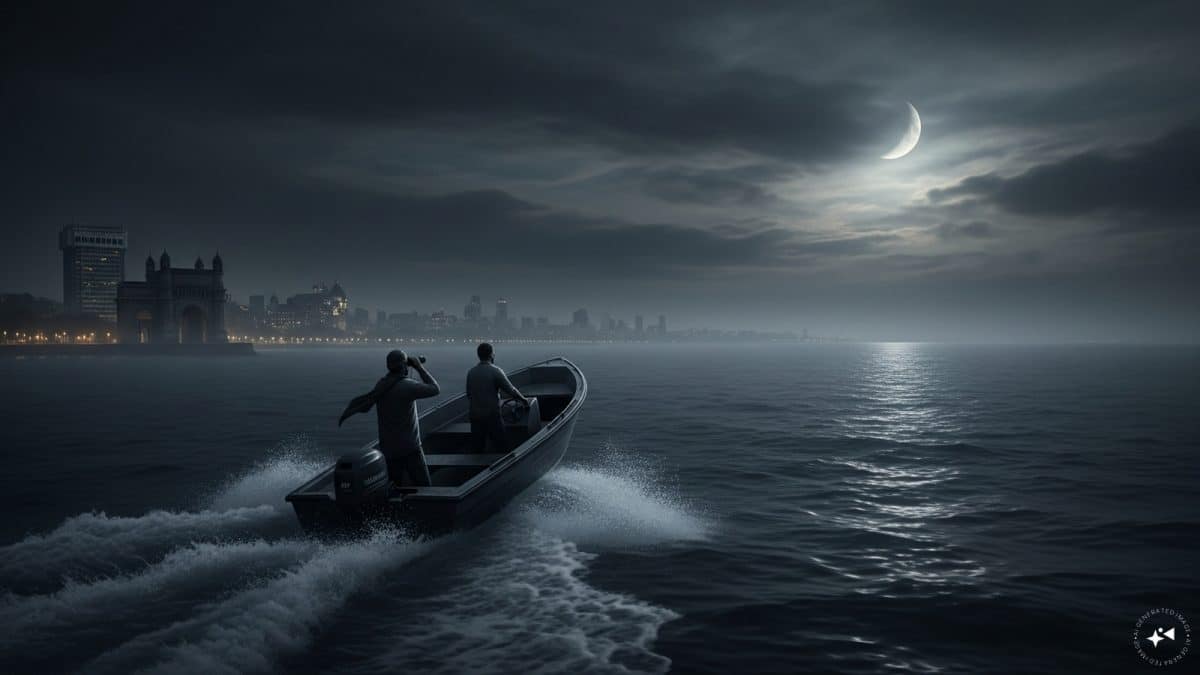
Fear sells, and in the high-stakes theater of maritime security, it sells at a premium. The recent headlines screaming about Zakiur Rehman Lakhvi’s inner circle—specifically this "mastermind" Kasuri and his threats of a 2026 sea-borne "dominance"—are exactly what the security-industrial complex wants you to digest. They want you looking at the water. They want you terrified of a 26/11 sequel.
They are playing you.
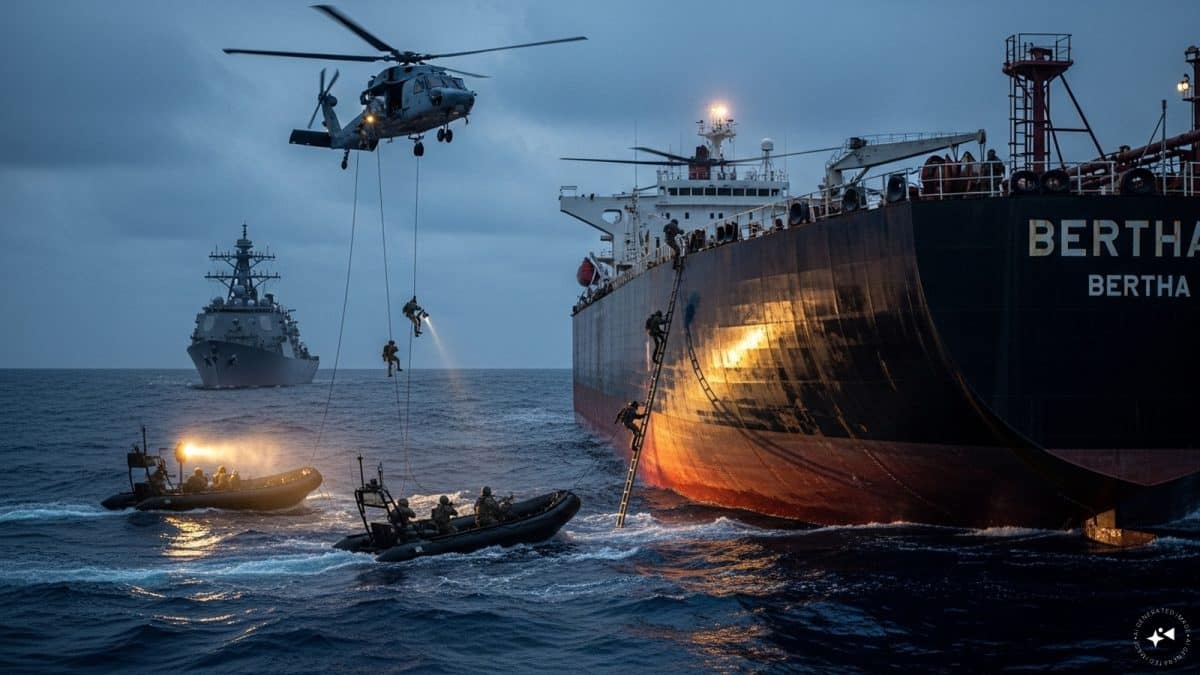
The lazy consensus among defense analysts is that another Mumbai-style landing is the "ultimate" threat. It’s a comfortable fear. It fits into existing budget buckets for patrol boats, radar installations, and coastal batteries. But if you think the next major breach of sovereignty is coming via a rubber dinghy and a group of radicalized gunmen, you are stuck in 2008.
The reality is far more clinical, far less cinematic, and significantly more dangerous than a few threats barked from a hideout in Pahalgam.
The Myth of Sea Dominance
To "dominate the sea" requires a level of kinetic power that non-state actors simply do not possess. When a militant leader claims they will control the waves by 2026, they aren't describing a military strategy; they are launching a marketing campaign.
Actual maritime dominance is about $SLOC$ (Sea Lines of Communication) control. It’s about the physics of tonnage, the math of anti-access/area denial ($A2/AD$), and the logistics of sustained naval presence. A terrorist group can cause a tragedy; they cannot "dominate" an ocean. By reacting to these threats as if they are existential military shifts, we give them the very power they lack. We elevate criminals to the status of admirals.
If we look at the actual data of maritime incursions over the last decade, the success rate of small-cell waterborne attacks against hardened targets has plummeted. Why? Because we’ve spent billions on the "last war." We’ve turned our coastlines into sensors. The "dominance" Kasuri talks about is a ghost.
The Asymmetric Pivot You’re Ignoring
While the media focuses on the specter of "sea-borne jihad," the real threat has migrated. I’ve sat in rooms where millions were allocated to shore up physical ports while the digital backdoors to those same ports were left swinging in the wind.
The 2026 threat isn't a boat. It’s a packet of data.
Imagine a scenario where no shots are fired, but the automated mooring systems of a major port are hijacked. Or the GPS spoofing of commercial tankers causes a strategic bottleneck in the Malacca Strait or the Gulf of Khambhat. You don't need a "mastermind" in Pahalgam to do that; you need a concentrated cyber-offensive that exploits the aging SCADA systems controlling our maritime infrastructure.
- The Physical Fallacy: Believing that more boots on the beach equals more safety.
- The Intelligence Trap: Chasing "names" like Kasuri while ignoring the structural vulnerabilities of the vessels themselves.
We are obsessed with the messenger because the message—that our entire global trade infrastructure is built on "trust-based" digital protocols from the 90s—is too terrifying to fix.
Why 26/11 Style Attacks are Obsolete for Terrorists
Terrorism is a business of ROI (Return on Investment). The original Mumbai attacks were successful because of the element of surprise and a catastrophic failure of local police coordination. That vacuum no longer exists. Today, a 26/11 style attempt would likely be intercepted by multi-layered coastal surveillance or met with an immediate, overwhelming tactical response.
From a "business" perspective, why would a terror organization waste dozens of trained assets on a mission with a 90% failure rate when they can achieve the same psychological terror through a coordinated drone strike on an offshore oil rig?
The "Pahalgam Mastermind" is using 20-year-old rhetoric to keep his name in the news cycle. He’s a dinosaur roaring at a meteor. If you’re still writing articles about his "threats" to the sea, you’re just part of his PR team.
The Cost of the Wrong Focus
When we over-index on these specific, publicized threats, we create "Security Theater." We see it at airports, and we’re seeing it now in coastal defense.
- Resource Misallocation: We build more interceptors while our deep-sea cable protection is non-existent.
- Intelligence Myopia: We listen for the word "Mumbai" or "Sea" while ignoring the chatter regarding supply chain infiltration.
- Diplomatic Distraction: We burn political capital demanding the extradition of a guy in a cave while state-sponsored actors are mapping our underwater power grids.
I have seen intelligence agencies blow their annual budget tracking the movements of three guys in a fishing boat because the "optics" of catching them are better than the "optics" of preventing a systemic software breach. It’s about the headline, not the headache.
The Brutal Truth of 2026
The year 2026 won't be defined by a "mastermind" in the mountains. It will be defined by the convergence of low-cost autonomous systems and existing maritime vulnerabilities.
- Drones: Swarm tech is now available for the price of a used sedan.
- Semi-Submersibles: Narco-sub technology has proven that you can move tons of cargo undetected.
- AI-Enhanced Signal Jamming: Disrupting the "Common Operating Picture" that naval commanders rely on.
These aren't "terrorist threats" in the traditional sense; they are technological shifts. Kasuri and his ilk are irrelevant unless we continue to give them a platform. The real threat is our own inability to look past the traumatic events of the past and prepare for the cold, calculated attacks of the future.
Stop looking for the man in the boat. Start looking for the glitch in the code.
The next time you see a "Mastermind Threatens Attack" headline, ask yourself: Who benefits from me being afraid of this specific thing? Usually, it's the person trying to sell you a fence when the thief is already inside the house using your Wi-Fi.
Prepare for the swarm, not the sequel.