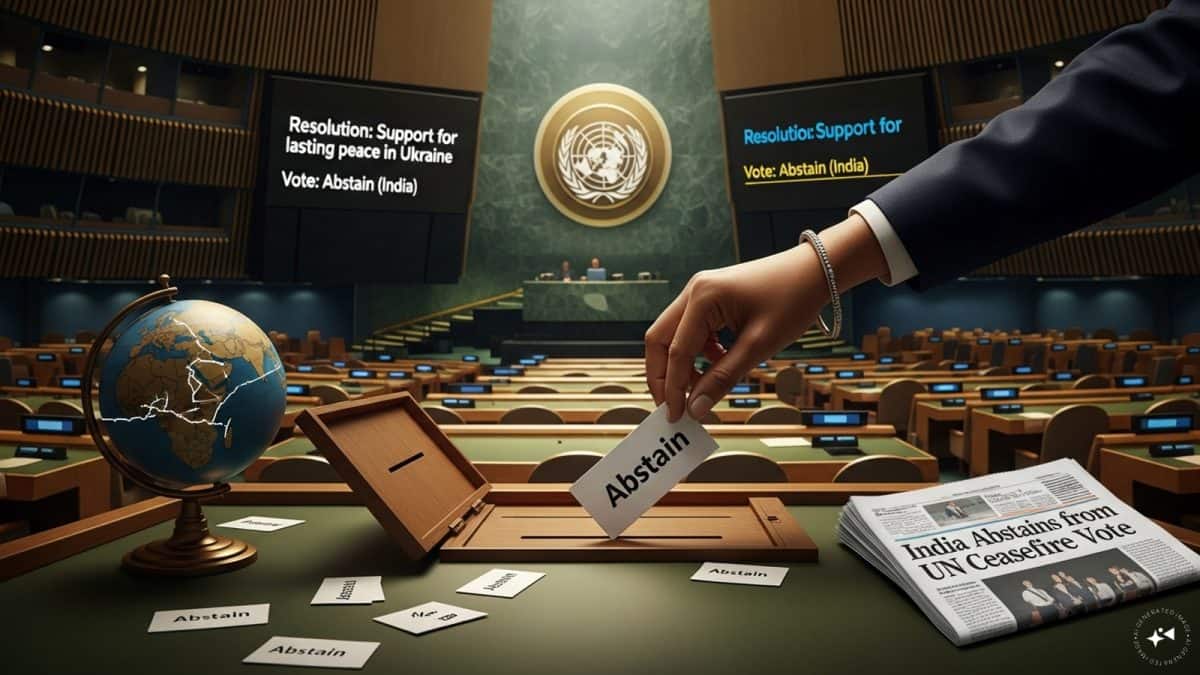
India just did it again. During a high-stakes session at the United Nations, the world’s most populous nation chose to sit on the fence regarding a resolution calling for an immediate ceasefire in Ukraine. They weren't alone. 51 other countries joined them in the "abstention" column. While Western headlines often frame this as a snub to democratic values, the reality is far more calculated. It's about survival, energy, and a refusal to be bullied into a binary world view.
If you think this is just about being "pro-Russia," you're missing the bigger picture. This is about Strategic Autonomy. India is playing a long game where its own national interests take priority over European security architectures.
The Numbers Behind the Abstention
The UN General Assembly remains divided. While a majority supported the resolution, the 52 countries that abstained represent a massive chunk of the global population. We’re talking about a group that includes heavyweights like China, South Africa, and various nations across the Global South.
For India, the choice isn't a snap judgment. It’s a consistent policy. Since the conflict began, New Delhi hasn't voted against Russia in a single major UN resolution. This isn't because they love the war. They don't. Prime Minister Modi famously told Putin that "today's era is not an era of war." But a vote in the UN is a different beast entirely. It’s a legalistic tool that carries diplomatic consequences India isn't ready to shoulder.
Why India Refuses to Take a Side
You have to look at the hardware. Nearly 60% to 70% of India’s military equipment is of Russian origin. You can’t just flip a switch and swap out a fleet of Sukhoi fighter jets or S-400 missile systems for American alternatives overnight. If India burns the bridge with Moscow, its national defense enters a tailspin.
Then there’s the oil. While Europe scrambled to cut off Russian energy, India ramped up its imports. By buying discounted Russian crude, India managed to keep its domestic inflation under control while the rest of the world saw prices skyrocket. It’s a pragmatic, if cold, economic reality. The government’s first duty is to its 1.4 billion citizens, not to a NATO-led narrative.
The Border Factor
India lives in a tough neighborhood. With China to the north and Pakistan to the west, New Delhi needs Russia to remain a neutral, if not friendly, mediator. If India shifts too far toward the West, it risks pushing Russia into a "no-limits" partnership with China. That’s India’s ultimate nightmare. By staying neutral, India keeps a foot in both camps, ensuring that Moscow doesn't become a total vassal of Beijing.
What the West Gets Wrong
Western analysts often scream about the "rules-based international order." But from New Delhi's perspective, that order has been selectively applied for decades. They remember the silence during their own regional conflicts. They see a double standard in how European sovereignty is treated compared to sovereignty in the Global South.
The abstention is a protest against a world order that demands everyone pick a side in a conflict that many feel was brewed in Europe. India sees itself as a "Vishwa Mitra" (a friend to the world), and friends don't usually sign on to resolutions that exclude one party from the peace process.
The Failure of UN Resolutions
Let's be honest. These UN resolutions are largely symbolic. They don't have the teeth of the Security Council. They don't stop the tanks. India's argument is that a resolution calling for a ceasefire without a clear, negotiated path that includes both parties is just paper-pushing.
They want a seat at the table where the actual talking happens. By abstaining, India maintains its status as a potential mediator. You can't be a referee if you're wearing the jersey of one of the teams.
A Shift in Global Power Dynamics
This vote proves the era of American hegemony is shifting into something much more fragmented. The fact that 52 nations—representing billions of people—refused to back the Western-led resolution shows a massive disconnect. The "Rest of the World" is tired of being told that Europe's problems are the world's problems, while the world's problems (like debt distress and food security) aren't Europe's problems.
India is leading this charge. They aren't looking for a "New Cold War" where they have to choose between Washington and Moscow. They want a multi-polar world where they are a pole themselves.
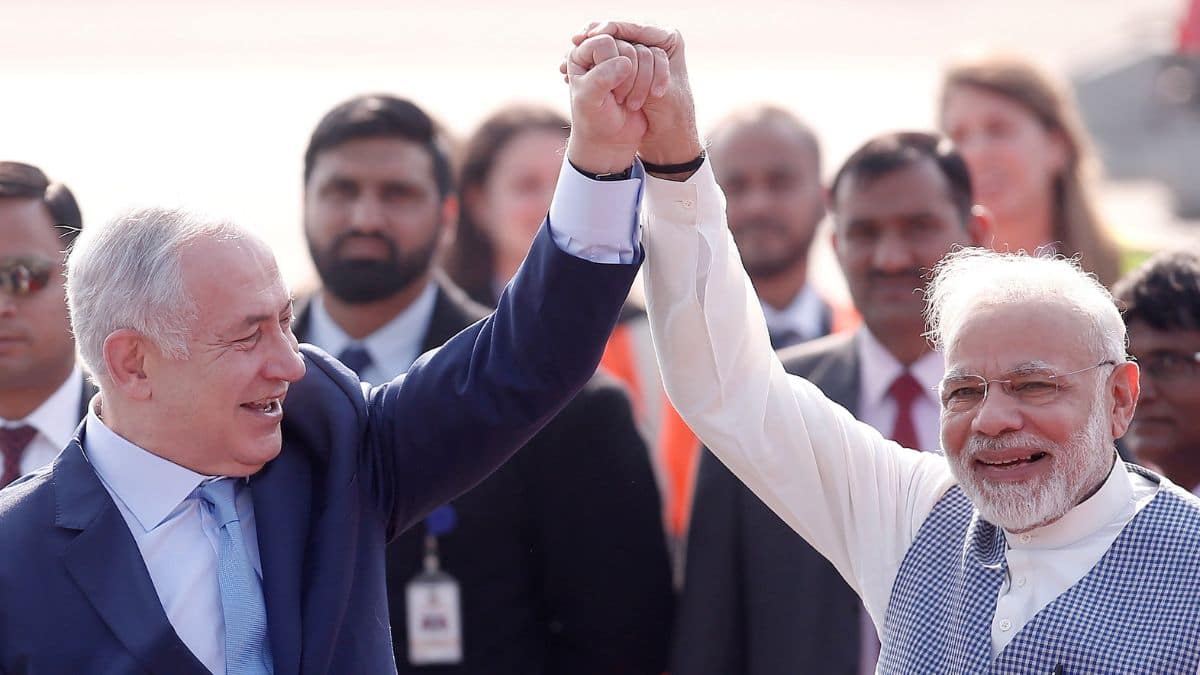
Watch the defense procurement trends. India is slowly diversifying, buying more from France, Israel, and the US. But until that transition is complete—which will take decades—expect the "abstain" button to be India's favorite tool at the UN.
If you're following these developments, don't look at the votes in isolation. Look at the bilateral trade deals and the military joint ventures. That’s where the real diplomacy is happening. The UN floor is just the theater.
Keep an eye on the upcoming G20 and BRICS summits. These are the venues where India will actually flex its muscles and try to bridge the gap between the warring factions. For now, neutrality is the only logical path for a country trying to rise without getting dragged down by a conflict it didn't start. Stop expecting India to act like a Western satellite. It won't happen.